
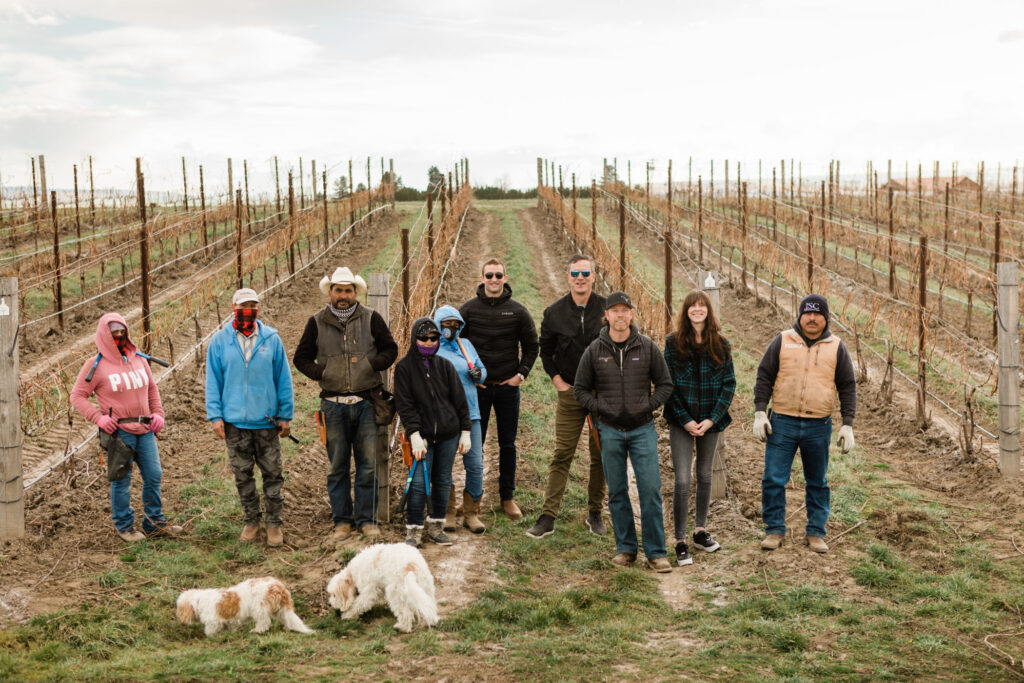
At Bledsoe Family Winery, our roots run deep into the rich soils of Walla Walla Valley. Every vine we tend, every harvest we celebrate, and every bottle we craft tells a story of our unwavering commitment to sustainable farming practices. This isn’t just about making exceptional wine, it’s about preserving the land that makes our passion possible for generations to come.
When you visit our tasting room and taste our acclaimed Cabernet Sauvignon or Syrah, you’re experiencing the fruits of a philosophy that puts the earth first. Our approach to winemaking extends far beyond the cellar, beginning in the vineyard where we practice stewardship that honors both tradition and innovation. We believe that sustainable farming isn’t just the right thing to do, it’s essential for creating wines that truly express the unique terroir of our beloved Walla Walla Valley.
The Philosophy Behind Our Sustainable Practices
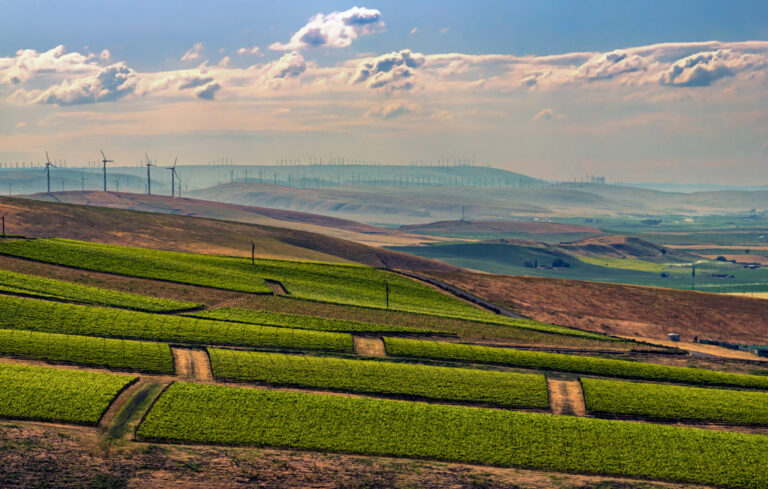
Our commitment to sustainable farming stems from a simple yet profound belief: we are temporary caretakers of this land. The rolling hills of Walla Walla have nurtured grapevines for decades, and it’s our responsibility to ensure they continue to thrive for decades to come. This philosophy shapes every decision we make at McQueen and our other estate vineyards.
Sustainable wineries Walla Walla has become synonymous with aren’t born overnight. They develop through years of careful observation, experimentation, and dedication to practices that support both vine health and environmental well-being. At Bledsoe Family Winery, we’ve embraced this journey wholeheartedly, understanding that true quality comes from grapes grown in harmony with their natural environment.
We view ourselves as partners with the land rather than its masters. This partnership requires constant attention to soil health, water conservation, and biodiversity preservation. Every season brings new challenges and opportunities to refine our approach, always with an eye toward maintaining the delicate balance that allows our vines to produce the exceptional fruit that becomes your favorite bottle of wine.
Soil Health: The Foundation of Great Wine
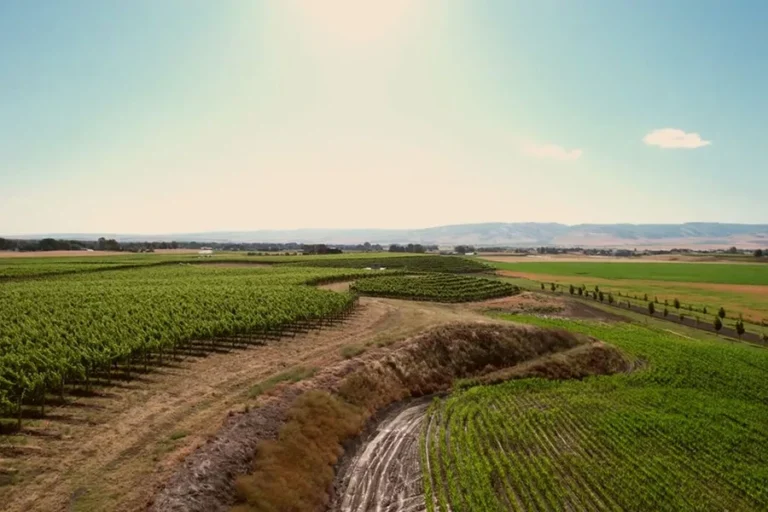
Healthy soil forms the bedrock of sustainable viticulture. At our estate vineyards, we employ cover cropping techniques that naturally enrich the soil while preventing erosion. These cover crops – including legumes, grasses, and wildflowers – create a living carpet between vine rows that supports beneficial insects, adds organic matter to the soil, and helps retain moisture during Walla Walla’s dry summers.
Our soil management practices extend to careful monitoring of pH levels, nutrient content, and organic matter percentages. Rather than relying heavily on synthetic fertilizers, we focus on building soil biology through compost applications and minimal tillage practices. This approach not only reduces our environmental impact but also encourages our vines to develop deeper root systems, resulting in grapes with more concentrated flavors and better drought tolerance.
We regularly test our soils to understand their unique characteristics and needs. This data-driven approach allows us to make informed decisions about when and where to apply organic amendments, ensuring that each block of our vineyard receives exactly what it needs to thrive. The result is soil that’s alive with beneficial microorganisms, earthworms, and other indicators of a healthy ecosystem.
Water Stewardship in the Walla Walla Valley\
Water is precious in the Pacific Northwest, and we treat it as such. Our irrigation practices focus on efficiency and conservation, using drip irrigation systems that deliver water directly to vine root zones while minimizing waste through evaporation. We’ve invested in soil moisture monitoring technology that helps us determine precisely when and how much water our vines need.
During the growing season, we practice deficit irrigation – carefully managing water stress to encourage our vines to produce smaller, more concentrated berries. This technique not only conserves water but also improves wine quality by intensifying flavors and colors in our grapes. It’s a delicate balance that requires constant monitoring, but the results are evident in every glass.
We’ve also implemented rainwater collection systems to supplement our irrigation needs during drier periods. These systems capture and store precipitation from our facility roofs, reducing our reliance on groundwater and municipal sources. Every drop counts, and we’re committed to using this precious resource as efficiently as possible.
Biodiversity and Ecosystem Health
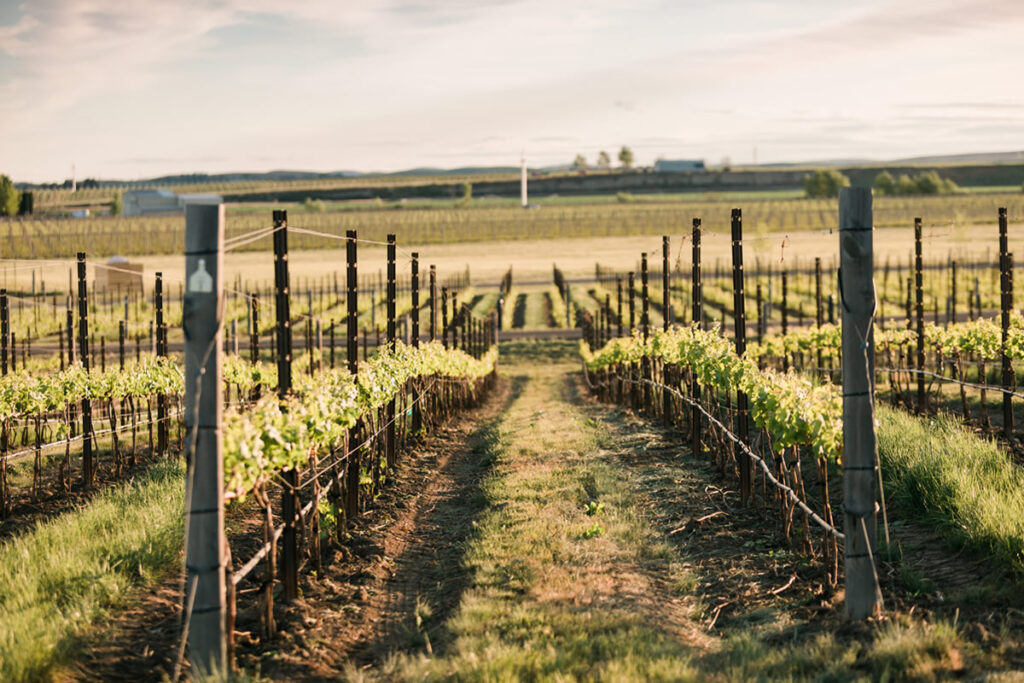
A thriving vineyard ecosystem includes much more than grapevines. We actively encourage biodiversity throughout our properties by maintaining hedgerows, installing owl boxes and bat houses, and preserving native plant communities. These features create habitats for beneficial predators that naturally control pest populations, reducing our need for chemical interventions.
Our integrated pest management approach emphasizes biological and cultural controls over chemical treatments. We monitor pest populations closely and intervene only when necessary, using targeted applications of organic-approved materials when traditional methods aren’t sufficient. This strategy protects beneficial insects while maintaining the health of our vines and surrounding environment.
We’ve partnered with local conservation organizations to identify and preserve habitat corridors that allow wildlife to move freely through our landscape. These partnerships have helped us become one of the Salmon-Safe wineries in the region, a certification that recognizes our commitment to protecting watershed health and native fish populations.
Energy Conservation and Carbon Footprint Reduction
Sustainability extends beyond our vineyards to every aspect of our operation. We’ve invested in energy-efficient equipment throughout our winery, from variable-speed pumps that reduce electricity consumption to LED lighting systems that minimize heat generation while providing optimal illumination for our cellar work.
Our commitment to reducing our carbon footprint includes sourcing materials locally whenever possible, supporting other sustainable businesses in the Walla Walla community, and minimizing transportation-related emissions. We work with local suppliers for everything from oak barrels to bottling materials, strengthening our regional economy while reducing environmental impact.
We’ve also implemented recycling and waste reduction programs that divert materials from landfills. Glass, cardboard, and organic waste are all handled through specialized programs that give these materials new life rather than relegating them to disposal.
Certification and Accountability
Our commitment to sustainable practices is validated through third-party certifications that hold us accountable to rigorous standards. As Salmon-Safe wineries, we’ve demonstrated our dedication to protecting the Columbia River watershed and the salmon populations that depend on it. This certification requires ongoing monitoring and reporting, ensuring that our practices continue to meet or exceed environmental standards.
We regularly participate in sustainability assessments and work with agricultural extension services to stay current on best practices in sustainable viticulture. These partnerships provide valuable feedback on our progress and help us identify new opportunities for improvement.
Transparency is crucial to our sustainability efforts. We welcome visitors to tour our vineyards and see our practices firsthand during your visit to our tasting room. Understanding how your favorite wines are made creates a deeper appreciation for both the craftsmanship involved and the environmental stewardship that makes it possible.
The Taste of Sustainability
Sustainable farming practices don’t just benefit the environment, they create better wine. Grapes grown in healthy, balanced vineyard ecosystems develop more complex flavor profiles and better express the unique characteristics of our Walla Walla terroir. When you taste our wines, you’re experiencing the difference that sustainable farming makes.
Our red wines, particularly our Cabernet Sauvignon and Syrah, showcase the intensity and elegance that result from vines grown in harmony with their environment. The concentrated flavors and balanced structure in these wines reflect the health of our vineyards and the careful attention we pay to every aspect of grape growing.
Members of our Inner Circle Family often comment on the distinctiveness of our wines and the stories behind them. This connection between farming practices and wine quality creates meaningful conversations during tastings and helps our guests understand the value of supporting sustainable wineries.
Looking Forward: Our Commitment Continues
Sustainable farming is an ongoing journey rather than a destination. We continually evaluate new technologies, techniques, and partnerships that can help us reduce our environmental impact while maintaining the high-quality standards our guests expect. Climate change presents new challenges for wine growing, and we’re committed to adapting our practices to ensure the long-term viability of our vineyards.
We’re currently exploring regenerative agriculture practices that go beyond sustainability to actively improve soil health and carbon sequestration. These techniques have the potential to make our vineyards carbon-negative, contributing to climate change mitigation while producing exceptional fruit.
Our investment in sustainable farming reflects our love for this land and our commitment to the Walla Walla Valley community. When you choose Bledsoe Family wines, you’re supporting practices that protect the environment, preserve local ecosystems, and ensure that future generations can enjoy the same exceptional wines that we’re proud to share with you today.
Visit our tasting room to experience firsthand the wines that sustainable farming makes possible, and join us in celebrating the marriage of environmental stewardship and exceptional winemaking that defines our legacy in the Walla Walla Valley.