
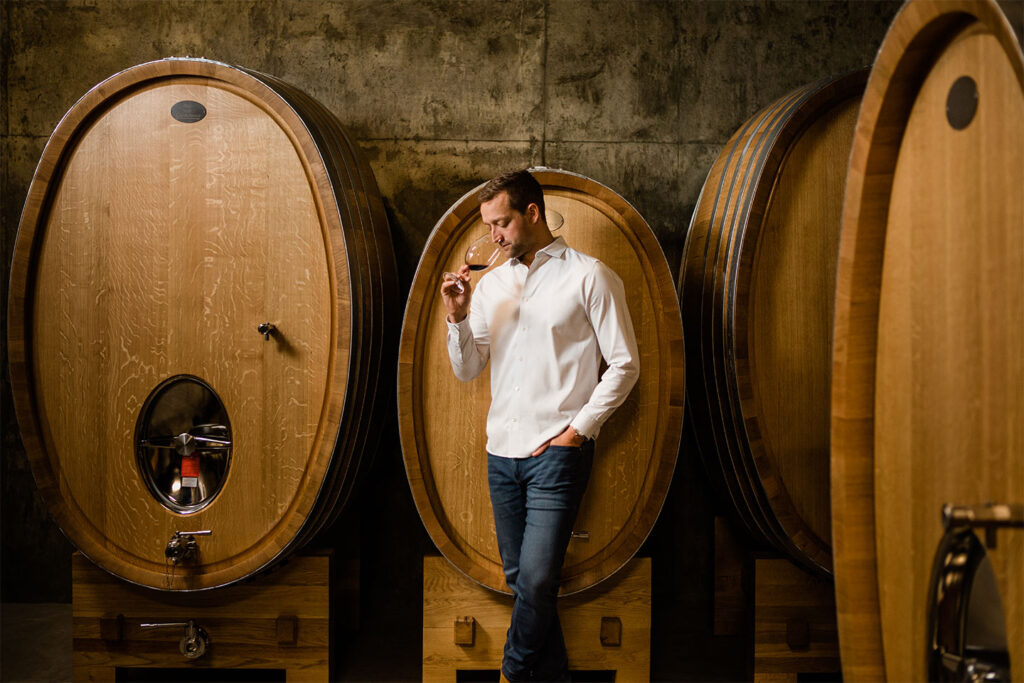
Wine lovers know that a truly great bottle of Cabernet Sauvignon can offer one of life’s most luxurious pleasures, especially when it comes from the acclaimed soils of the Walla Walla Valley. At Bledsoe Family Winery, crafting wines with the potential to age gracefully is both an art and a science. In this guide, the team at Bledsoe Family Winery shares expert advice straight from their winemaker, Josh McDaniels, on how to age Walla Walla Cabernet, the best wine cellar conditions, and how to recognize which vintages are ready to enjoy or worthy of further patience.
Why Ageability Matters: Insights from Josh McDaniels
When it comes to age-worthy wines, Bledsoe Family Winery’s Winemaker, Josh McDaniels, brings a unique philosophy. According to Josh, “Great Cabernet Sauvignon should walk the line between power and elegance. Structure is key – acidity, tannin, and fruit concentration must all be there. But ultimately, the best bottles are those that reveal new layers over time, rewarding patience.”
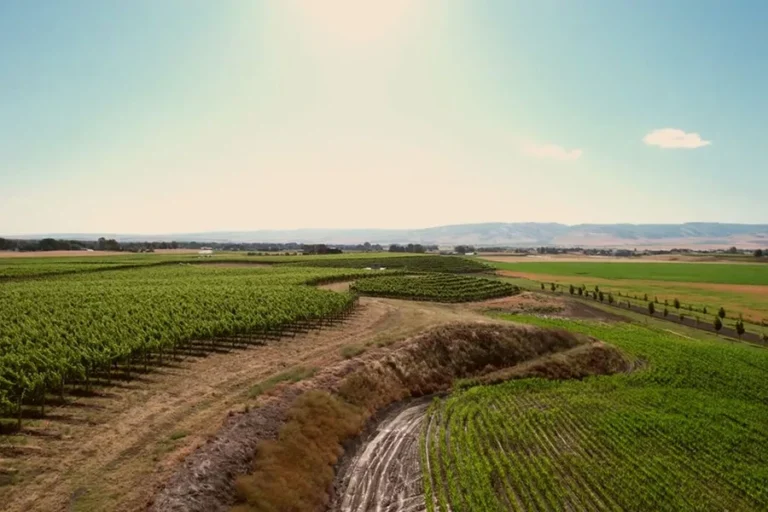
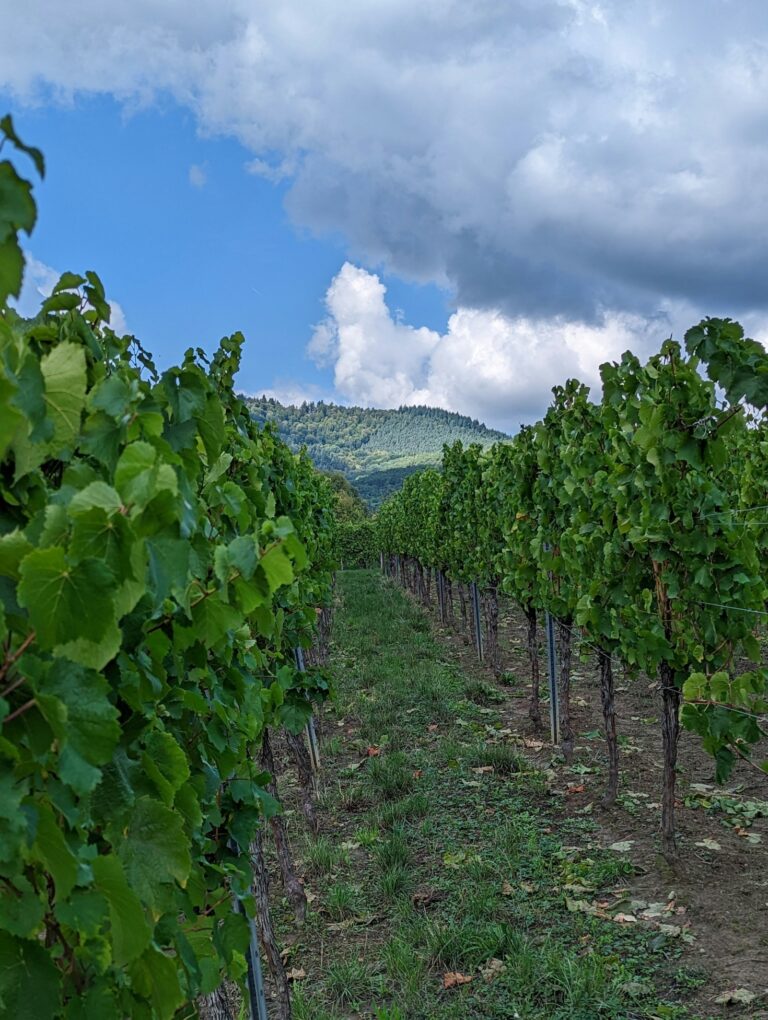
For Josh, the art of aging wine starts in the vineyard and is fine-tuned in the cellar. Walla Walla’s distinctive climate and soils give Bledsoe Family wines a backbone of acidity and tannic structure, both crucial for longevity. “We always aim for balance. A wine that’s too ripe may lose vibrancy with age, while one with insufficient structure won’t develop those prized secondary flavors.”
What Happens to Walla Walla Cabernet as It Ages?
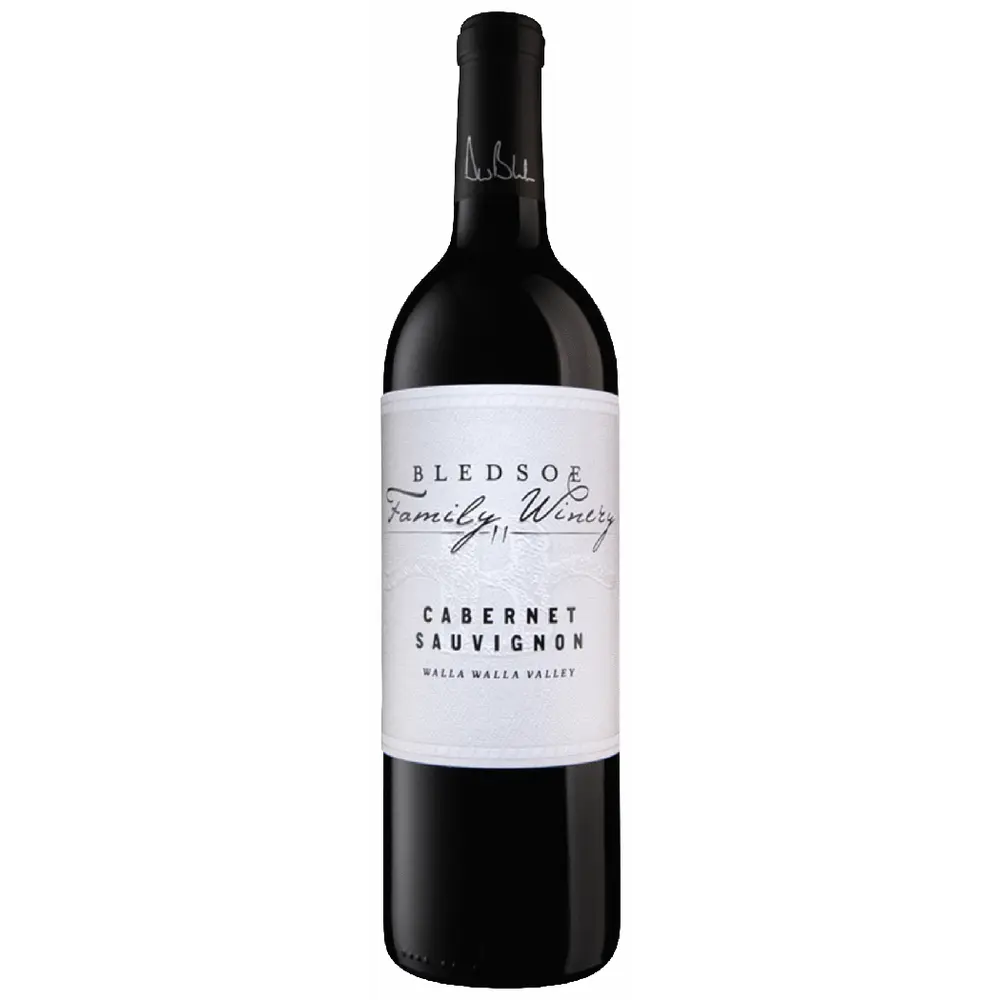
Cabernet Sauvignon from Walla Walla is renowned for its depth and complexity. In its youth, a Bledsoe Family Cabernet will show vibrant blackberry, cassis, and dark cherry, framed by powerful tannins and a hint of new oak. As it ages, something magical happens in the bottle.
Over time, the primary fruit flavors mellow and give way to secondary and tertiary notes…think dried herbs, cedar, tobacco, leather, and earth. The tannins soften, lending a silkier mouthfeel. The acidity, if well-preserved, keeps the wine fresh and alive. This transformation is the hallmark of a collectible Walla Walla bottle and is why so many collectors seek out Bledsoe Family wine for their cellars.
Best Wine Cellar Conditions for Aging
Aging wine is not just about waiting. The right storage conditions are essential to protecting your investment and ensuring each bottle reaches its full potential.
Ideal Temperature
The most important factor is temperature. The ideal range for aging wine is 55 to 58 degrees Fahrenheit, with minimal fluctuations. Temperatures above 70 degrees can accelerate aging and increase the risk of advanced aging, while frequent temperature swings can cause the liquid to expand and contract, potentially breaking the seal.
Humidity
Aim for a humidity level of 60 to 70 percent. This helps prevent corks from drying out and allows a proper seal. Too much humidity can foster mold, while too little can lead to oxidized wine.
Light and Vibration
Wine prefers darkness. UV light can degrade flavors and colors, so keep bottles away from windows and bright lights. Vibration can disturb the sediment and disrupt the natural aging process, so avoid storing your wine near appliances or busy areas.
Bottle Position
Store bottles on their side to keep the cork moist. This is especially important for wines intended to be cellared for more than a few years.
Bledsoe Family Wine Ageability: Which Older Vintages to Drink Now or Hold
One of the most common questions from collectors is when to open a prized bottle. At Bledsoe Family Winery, the team tracks each vintage’s evolution closely. Here’s a snapshot of current recommendations:
- 2015 Bledsoe Family Cabernet Sauvignon: Showing beautiful integration of fruit and tertiary notes. Drinking beautifully now and through 2027.
- 2016 Bledsoe Family Cabernet Sauvignon: Approaching its peak. Hold for another 1-2 years for more complexity, but can be enjoyed now after decanting.
- 2017 Bledsoe Family Cabernet Sauvignon: Youthful structure remains. Hold until 2027 for optimal development.
- 2018 and 2019 Bledsoe Family Cabernet Sauvignon: Still primary and energetic. Best to cellar until at least 2028 for full expression.
Of course, personal preference plays a role. Some collectors love the vivid fruit of a young Cabernet, while others wait for the earthy, savory notes that only come with time.
For those seeking a current vintage report Walla Walla update, the 2023 vintage shows excellent promise, with balanced acidity and fine tannins – classic hallmarks of Bledsoe Family wine ageability.
How to Spot a Collectible Walla Walla Cabernet
Not every wine is destined for the cellar. When searching for a bottle to age, consider these hallmarks:
- Reputation of the Producer: Bledsoe Family Winery’s track record for age-worthy Cabernet is well established.
- Vintage Quality: Certain years, such as 2015 and 2018, are recognized for their balance and structure.
- Tannin and Acidity: Look for wines with a firm backbone, moderate to high acidity, and concentrated fruit.
- Limited Production: Smaller lots and special cuvées often offer greater aging potential and collectability.
- Critical Acclaim: Seek out bottles with positive reviews from trusted critics, which can add to their future value.
Common Cellaring Mistakes and How to Avoid Them
Even the most promising wine can be compromised by poor storage. Here are some tips to protect your collection:
- Avoid Storing in the Kitchen or Garage: Fluctuating temperatures and exposure to light can quickly damage wine.
- Don’t Stand Bottles Upright for Long-Term Storage: This can dry out the cork, increasing the risk of oxidation.
- Don’t Overcrowd Your Cellar: Proper air circulation is key. Stacking bottles tightly can trap heat and humidity.
- Monitor Your Cellar Regularly: Invest in a thermometer and hygrometer to track conditions, and check corks for signs of seepage.
When to Start Thinking About Opening Your Bledsoe Family Wine
The best time to open a bottle is both a science and a personal decision. As a general rule, look for the following signs:
- Vintage Age: Most Bledsoe Family Cabernets are built to age 7 to 15 years, sometimes longer for exceptional vintages.
- Tasting Notes: If you notice the wine’s fruit profile fading and more earthy, herbal, or savory notes emerging, it may be approaching its peak.
- Special Occasions: Sometimes, the right moment is simply when you want to share something special with friends and family.
If you are unsure, the tasting team at Bledsoe Family Winery is always happy to offer guidance on specific bottles and vintages.
Experience Age-Worthy Wines at Bledsoe Family Winery Tasting Rooms
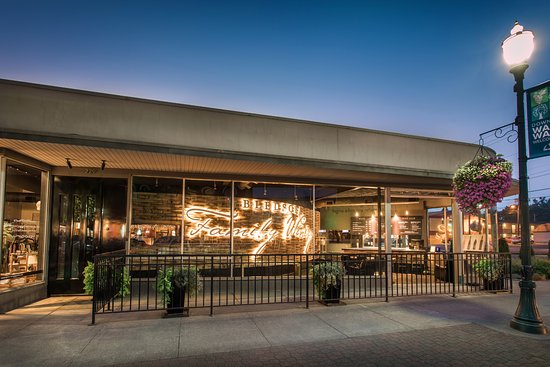
There is no better way to understand the art of aging than by tasting for yourself. Bledsoe Family Winery invites guests to explore wines from multiple vintages at their welcoming tasting rooms in Walla Walla, Washington, and Bend, Oregon. Guests can compare young and more mature wines side-by-side, with expert hosts ready to answer questions about cellaring, decanting, and serving.
To truly appreciate the craftsmanship that goes into every bottle, plan a visit to the Walla Walla tasting room, where the legacy of Bledsoe Family wines and the region’s unique terroir come alive in every glass.
Conclusion
Aging Walla Walla Cabernet is a rewarding journey, transforming bold, structured wines into nuanced, silky treasures. By following expert cellar tips from Josh McDaniels and the Bledsoe Family Winery team, wine lovers can ensure their bottles reach their full potential. Whether you are a seasoned collector or just beginning your wine journey, visiting the Bledsoe Family Winery tasting room in Walla Walla or Bend offers an unmatched opportunity to taste, learn, and celebrate the art of age-worthy wine. Book your tasting today and discover why Bledsoe Family wines are celebrated for their exceptional ageability and enduring elegance.